
Prepaid Electricity Meters in South Africa: Everything You Need to Know
Understanding Prepaid Electricity Meters in South Africa
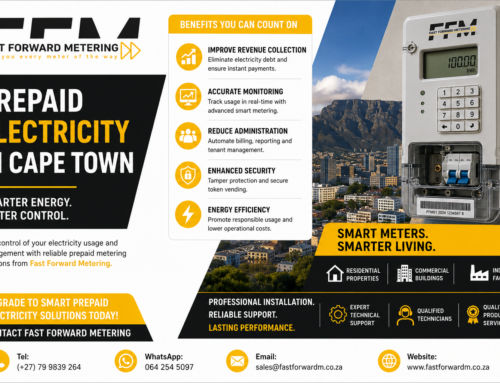
In South Africa, the demand for prepaid electricity meters has grown exponentially as households and businesses seek more control over their energy consumption. These meters allow consumers to purchase electricity in advance, monitor usage, and avoid unexpected bills, making them a preferred solution in urban and rural settings alike.
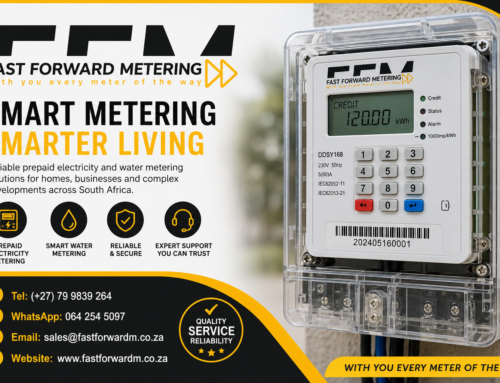
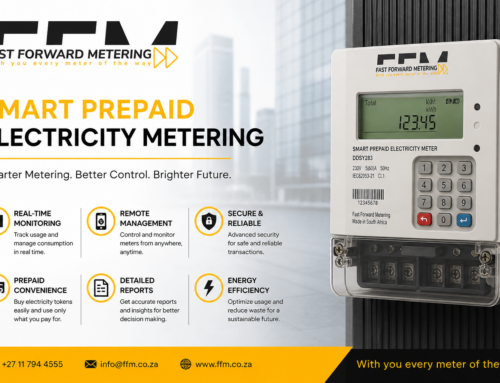
A prepaid meter functions similarly to a mobile prepaid SIM card—users buy electricity credits, which are then loaded into the meter using a unique token or code. As electricity is consumed, the meter deducts the corresponding units until the credit runs out.
Types of Prepaid Electricity Meters
There are several types of prepaid electricity meters used in South Africa, tailored to different consumer needs:
1. Single-Phase Meters
These are ideal for residential properties and small businesses. They monitor the flow of electricity through a single-phase supply, suitable for most household appliances.
2. Three-Phase Meters
Used in larger homes, apartment blocks, and industrial settings, these meters handle higher power loads and provide more detailed consumption data.
3. Smart Prepaid Meters
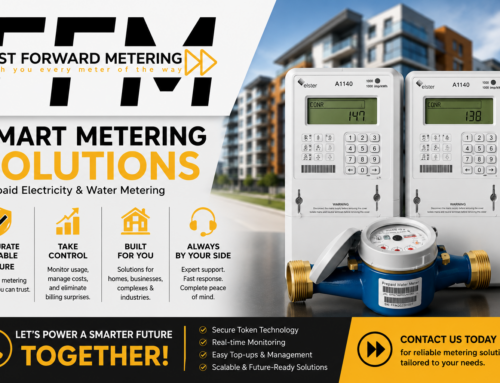
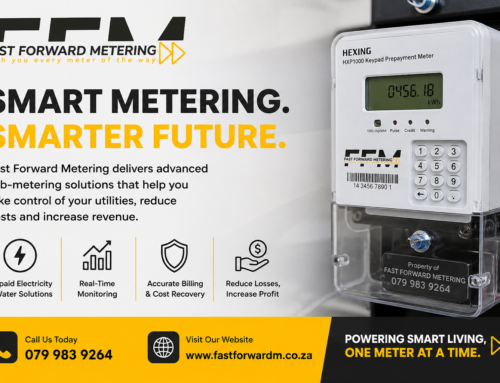
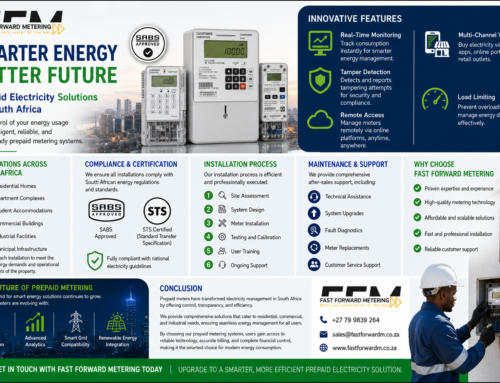
Smart meters are the future of energy monitoring. They support real-time data access, remote top-ups, and two-way communication between the meter and energy supplier.
Top Benefits of Prepaid Electricity Meters
Prepaid electricity meters offer numerous advantages, particularly in the context of South Africa’s evolving energy infrastructure:
1. Budget Control
Prepaid meters enable users to manage electricity expenses proactively. Consumers can purchase energy based on their monthly budgets, avoiding debt accumulation.
2. No Monthly Bills
With prepaid electricity, there’s no risk of receiving surprise bills or being charged for incorrect readings. The system ensures that you pay only for what you use.
3. Energy Awareness
Monitoring your usage in real time encourages conscious consumption habits, leading to more sustainable energy practices.
4. No Disconnection Fees
In traditional systems, failure to pay may result in disconnection and reconnection charges. Prepaid systems eliminate these penalties entirely.
5. Easy Top-Ups
Purchasing electricity is simple and widely accessible. Tokens can be bought online, via mobile apps, or at retail outlets and ATMs.
How to Purchase Prepaid Electricity in South Africa
Consumers can top up their prepaid meters using several convenient channels:
-
Online platforms: Secure websites and mobile apps like our app, or banking apps.
-
Retail outlets: Supermarkets, petrol stations, and convenience stores nationwide.
-
Banking services: Most South African banks support prepaid electricity purchases via internet banking or ATMs.
-
USSD codes: Quick mobile top-ups through USSD services offered by various network providers.
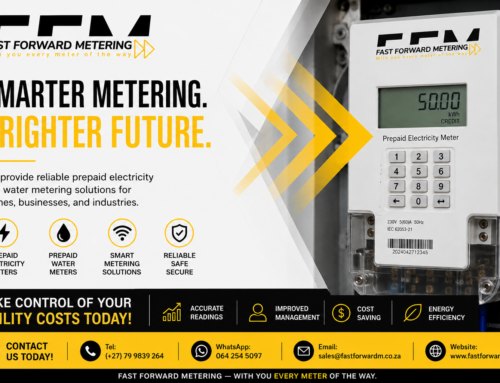
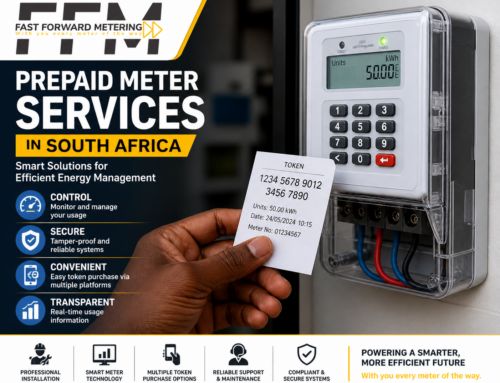
After purchasing, a 20-digit token number is generated. Enter this number into the meter using its keypad to load the purchased electricity.
Installation of Prepaid Meters in South Africa
Installing a prepaid electricity meter requires compliance with local and national regulations. The process involves the following steps:
1. Application
Contact your local municipality or electricity supplier (like Eskom) to apply for a prepaid meter installation.
2. Site Inspection
A certified technician conducts a site assessment to determine the appropriate meter type and installation requirements.
3. Installation
Only licensed electricians are permitted to install prepaid meters. Unauthorized installations can lead to fines or disconnection.
4. Activation
Once installed, the meter is linked to your account and activated, enabling immediate use.
Common Challenges with Prepaid Meters
Despite their benefits, prepaid meters may come with a few drawbacks:
1. Higher Tariffs
Some municipalities apply inclining block tariffs to prepaid users, meaning the more you buy, the higher the cost per unit.
2. Token Rejection
Entering the wrong token or experiencing communication errors can lead to token rejection. Always ensure that tokens are entered correctly and that your meter is functioning properly.
3. Power Cuts
Prepaid meters do not guarantee supply. Load shedding and infrastructure issues can still result in power outages, regardless of balance.
4. Limited Support
Not all areas have 24/7 technical support for prepaid meter issues. This can be frustrating, especially during off-hours.
Tips for Maximizing Prepaid Electricity Efficiency
To get the most from your prepaid electricity system, consider the following strategies:
-
Switch to energy-efficient appliances
-
Turn off unused lights and electronics
-
Use geysers with timers
-
Monitor peak-hour consumption
-
Regularly check meter balances
Future of Prepaid Meters in South Africa
South Africa is moving toward smart grid solutions, and prepaid meters will play a key role. The transition to smart prepaid meters will empower consumers with detailed consumption analytics, automated top-ups, and improved fault reporting.
Additionally, as renewable energy adoption increases, prepaid meters are being integrated with solar systems, enabling hybrid consumption models for households seeking to reduce dependence on the national grid.
Conclusion
Prepaid electricity meters in South Africa have revolutionized the way electricity is consumed, managed, and paid for. By providing greater control, transparency, and flexibility, they are a cornerstone of the nation’s energy strategy. Whether you are a homeowner, landlord, or business owner, installing a prepaid electricity meter offers practical, financial, and environmental benefits that cannot be overlooked. Contact us today to learn more about our innovative and smart prepaid meters.