
Residential Prepaid Electricity Meter in South Africa – The Ultimate Guide for Homeowners
As South Africa continues to embrace modern, energy-efficient solutions, residential prepaid electricity meters have become a cornerstone of household energy management. These smart devices are revolutionizing how homeowners monitor and pay for electricity—offering control, transparency, and financial predictability. In this comprehensive guide, we explore everything you need to know about prepaid electricity meters in South Africa, including their benefits, installation process, top suppliers, and how to choose the best one for your home.
What Is a Residential Prepaid Electricity Meter?
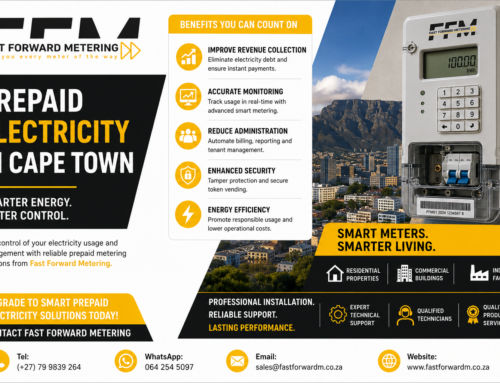
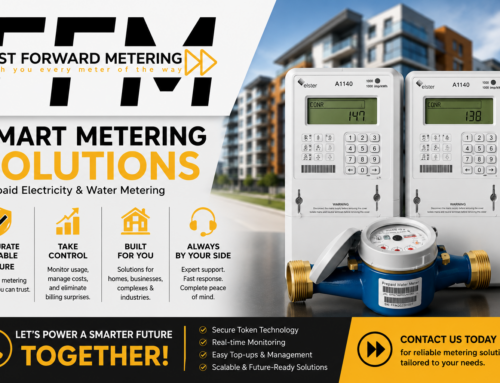
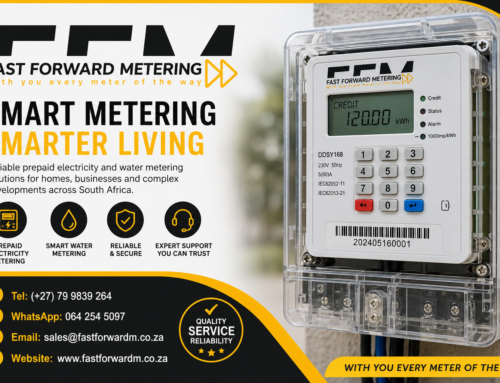
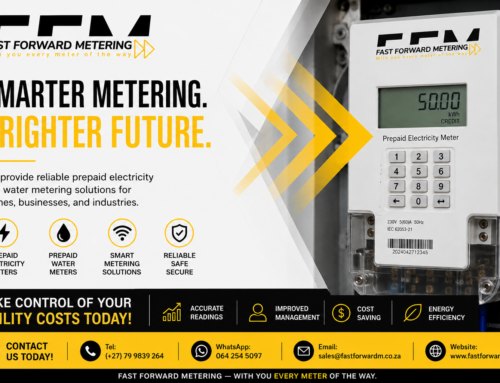
A residential prepaid electricity meter is an advanced metering system that allows users to purchase electricity units in advance—similar to loading airtime on a mobile phone. Once units are loaded, the meter deducts power usage in real-time. When the balance runs low, users simply top up using a token purchased online, at retail stores, or through banking apps.
These meters help homeowners manage their electricity consumption effectively, ensuring there are no surprise bills or hidden costs.
Why South Africans Are Switching to Prepaid Electricity

The shift from postpaid to prepaid electricity meters is driven by several key factors:
1. Complete Control Over Energy Use
Prepaid meters empower households to track electricity consumption in real time. Homeowners can see exactly how much power they use daily, helping identify energy-wasting habits and appliances.
2. No More Unexpected Bills
With a prepaid system, you pay only for what you use. This eliminates the risk of billing disputes, estimated readings, and late payment penalties—offering true financial peace of mind.
3. Convenient and Flexible Top-Ups
Tokens can be purchased anytime, anywhere—from mobile apps, retail outlets, or online platforms. Whether you’re home or away, managing your energy is seamless.
4. Ideal for Landlords and Tenants
Prepaid electricity meters simplify rental management. Landlords can avoid unpaid utility bills, while tenants enjoy the freedom to manage their own energy expenses without interference.
5. Encourages Energy Efficiency
With transparent usage data available, prepaid users become more conscious of their power consumption, leading to lower energy bills and a smaller carbon footprint.
How Residential Prepaid Electricity Meters Work
Prepaid meters operate using a token-based system linked to your property’s unique meter number (STSM – Standard Transfer Specification Meter). The process typically works as follows:
-
Buy Electricity Units (Tokens): Available via online platforms, apps, ATMs, or local retailers.
-
Receive a 20-Digit Token Code: Sent via SMS, email, or printed on a receipt.
-
Enter the Token on the Meter Keypad: The system validates and loads the purchased units.
-
Track Consumption: The display shows remaining kWh, helping users monitor usage.
Once the balance reaches zero, power supply automatically disconnects until more units are loaded—ensuring 100% payment compliance.
Types of Prepaid Electricity Meters in South Africa
There are different categories of prepaid meters available, designed to meet specific residential needs:
1. Single-Phase Prepaid Meters
Most common in households, single-phase meters handle standard residential electricity loads. They are cost-effective, easy to install, and support various vending systems.
2. Three-Phase Prepaid Meters
Ideal for large homes or small businesses with heavy machinery or multiple appliances. They offer enhanced load management and are compatible with higher current capacities.
3. Split Prepaid Meters
A split meter separates the user interface (keypad/display) from the metering unit, making it suitable for secure installations in multi-unit properties such as apartments.
Top Residential Prepaid Electricity Meter Brands in South Africa
Several trusted brands dominate the South African market, providing reliable and compliant prepaid metering solutions:
-
Conlog – A South African pioneer known for durable, tamper-proof prepaid meters.
-
Hexing – Offers smart, STS-compliant prepaid meters with remote management features.
-
Landis+Gyr – Globally recognized for precision engineering and advanced data analytics.
-
Inhemeter – Provides affordable prepaid and smart metering solutions ideal for landlords.
-
Elster Kent (Honeywell) – Offers premium, long-lasting meters for residential and commercial use.
Each brand provides STS-certified meters, ensuring interoperability with national vending systems and compliance with NERSA (National Energy Regulator of South Africa) standards.
Installation of Residential Prepaid Electricity Meters
Installing a prepaid electricity meter should always be handled by a qualified electrician or accredited installer. The process typically includes:
-
Assessment: Inspecting the property’s electrical setup to determine meter type and load capacity.
-
Meter Installation: Mounting and wiring the device in accordance with SANS electrical regulations.
-
Registration: Linking the meter to your account and assigning a unique STS number.
-
Testing: Ensuring proper functionality and connectivity to vending systems.
Once installed, the system is activated, and the homeowner can begin purchasing tokens immediately.
Managing Your Electricity with Smart Prepaid Meters
Modern prepaid meters go beyond basic functionality. With smart metering technology, homeowners can:
-
Monitor usage remotely via mobile apps.
-
Receive alerts for low balance or unusual consumption.
-
View detailed daily, weekly, and monthly reports.
-
Integrate with solar systems for hybrid energy management.
These intelligent systems promote energy efficiency, cost control, and environmental sustainability, making them a future-ready investment for South African households.
Advantages of Prepaid Meters for Landlords and Property Managers
Prepaid electricity is transforming property management. Benefits include:
-
No More Billing Disputes: Tenants pay upfront for usage.
-
Eliminates Bad Debt: Landlords don’t carry unpaid electricity bills.
-
Automated Load Management: Prevents overconsumption in shared properties.
-
Tamper Alerts: Many meters have built-in tamper detection to prevent illegal connections.
-
Enhanced Tenant Satisfaction: Transparent billing fosters trust and accountability.
Choosing the Right Residential Prepaid Meter
When selecting a prepaid electricity meter, consider the following:
-
Compatibility with your local municipality or Eskom network.
-
STS Certification for secure, standardized token generation.
-
Data Access for consumption tracking.
-
Warranty and Support from reputable brands or authorized installers.
-
Scalability if planning to integrate solar or additional properties later.
Investing in the right system ensures long-term reliability and maximum control over energy costs.
The Future of Prepaid Electricity in South Africa
With growing adoption of renewable energy and smart grid systems, prepaid electricity meters are expected to play a key role in South Africa’s energy modernization strategy. Integration with solar PV systems, IoT platforms, and mobile apps will make managing electricity easier, greener, and more efficient than ever before.
Final Thoughts
Installing a residential prepaid electricity meter in South Africa is one of the smartest decisions homeowners can make. It delivers control, savings, and transparency, while supporting a sustainable future. Whether you’re a homeowner, landlord, or tenant, prepaid electricity offers a reliable, efficient, and cost-effective solution for modern living.
Contact Fast Forward Metering now to get started and experience the ultimate convenience, reliability, and peace of mind with our trusted prepaid metering solutions.