Electricity Price Hike in Johannesburg: What Residential Prepaid Users Need to Know in 2025
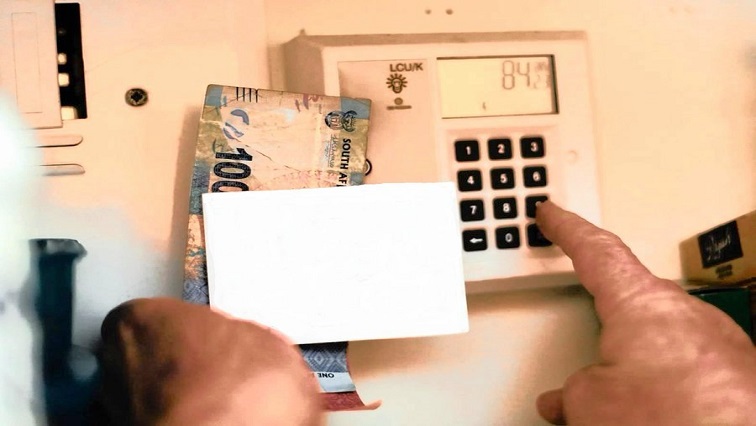
Residents of Johannesburg are waking up to higher electricity prices starting 1 July 2025, as City Power officially implements its revised tariffs for the 2025/26 financial year. This change affects all customer categories, including households, businesses, and institutions — but the focus today is on the thousands of residents who rely on Residential Prepaid Electricity.
With energy costs steadily rising, prepaid users must stay informed and adapt to avoid unnecessary financial strain.
📊 What Are the New Electricity Tariffs for Residential Prepaid Users?
City Power has confirmed an across-the-board increase of 12.4% for electricity tariffs. However, it’s important to understand that this figure is an average — your actual increase depends on your tariff category and consumption level.
For users on the Residential Prepaid High tariff, the increase is slightly lower but still significant — averaging just over 11%.
This means if you’re a prepaid user who consumes more than the basic threshold of electricity per month, you’ll now pay more per kilowatt-hour than you did before.
💰 Service Fee Remains Unchanged
There’s a bit of good news for prepaid users: while electricity rates are increasing, the monthly service fee remains fixed at R200. This applies to most prepaid residential users and provides some consistency in budgeting — though it’s important to note that this fee is charged regardless of how much electricity is used.
🔌 Why Is This Happening?
The increase aligns with the City of Johannesburg’s approved tariffs for the new financial year, reflecting broader challenges in South Africa’s energy sector, including:
-
Rising energy procurement costs from Eskom.
-
Infrastructure maintenance and upgrades.
-
Load shedding mitigation expenses.
-
Increased operational costs for power utilities.
City Power, like other municipal providers, passes a portion of these increased costs onto consumers to remain financially viable and maintain service delivery.
🏠 What Does This Mean for You as a Prepaid User?
If you’re a homeowner, tenant, or landlord using prepaid electricity meters, this tariff hike will affect your monthly energy expenses — especially if you have high usage. Even moderate users will notice a difference in the number of units they receive for the same amount paid.
Here’s how it affects you:
-
✅ Reduced purchasing power: You’ll receive fewer units for the same spend.
-
✅ Budget adjustments: Monthly energy budgets may need to increase.
-
✅ Greater need for energy efficiency: Small habits can now lead to big savings.
-
✅ Service fee unchanged: R200 monthly service charge still applies to prepaid users.
🛠️ Tips to Manage the Price Increase
Now more than ever, it’s important to be smart about your electricity usage. Here are some quick ways to reduce your prepaid electricity costs:
-
Switch to LED lighting to save energy.
-
Unplug appliances when not in use to avoid phantom load.
-
Use gas appliances where possible (e.g., for cooking or heating).
-
Invest in a smart meter to track and manage your daily usage.
-
Limit use of energy-intensive appliances like geysers, heaters, and stoves.
⚡ A Wake-Up Call for Smarter Energy Use
The latest electricity price increase should serve as a prompt for prepaid users in Johannesburg to evaluate their energy habits. As electricity continues to become more expensive, adopting energy-efficient practices and being aware of your tariff structure will go a long way in easing the financial burden.
City Power is encouraging residents to stay informed about their tariff category and explore ways to reduce usage without compromising comfort or convenience.
📣 Conclusion
With the new tariffs now in effect, Residential Prepaid Electricity users in Johannesburg will be directly affected by the changes. Although the increase is slightly lower than for some other categories, the impact on household budgets will still be felt. While the R200 service fee remains unchanged, the cost per unit of electricity is rising, making it more important than ever to be proactive.
By understanding the changes, adjusting consumption patterns, and embracing energy-efficient habits, you can mitigate the impact of these increases and make your prepaid electricity last longer. Contact Fast Forward Metering to learn more about our Residential Prepaid Electricity and Water Solutions.